Commercial Crack Sealing
Commercial Crack Sealing in Springfield, MO
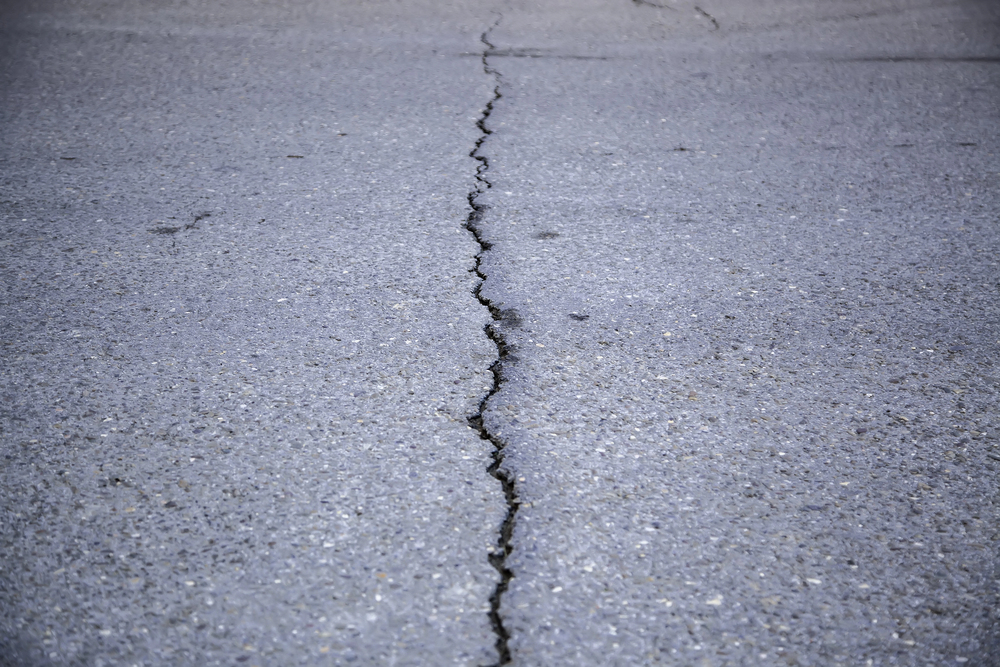
Every asphalt surface eventually cracks — and in the Ozarks, our freeze-thaw winters speed the process along. Water works its way into small cracks, freezes, expands, and pries the pavement apart from the inside. Left alone, a hairline crack becomes a pothole, and a pothole becomes a full-depth repair. Crack sealing is the low-cost step that stops that chain reaction before it starts.
At Ozark Striping & Sealing, we provide commercial crack sealing throughout Springfield and across the greater Ozarks — from Joplin and Branson into Northwest Arkansas. Whether you manage a shopping center, office park, industrial facility, or municipal roadway, our hot-applied sealant keeps water out of your pavement and protects the investment you’ve already made in it.
Why Crack Sealing Matters for Commercial Properties
- Blocks water from reaching and eroding the base layer
- Slows the freeze-thaw damage that widens cracks every winter
- Prevents small cracks from spreading into alligator cracking and potholes
- Extends the service life of your parking lot and pushes back the cost of repaving
- Keeps your lot looking maintained and professional for customers and tenants
Crack sealing won’t repair pavement that has already failed structurally — but applied early and kept up on a regular schedule, it’s the single best defense against water damage.
Crack Sealing vs. Crack Filling: What's the Difference?
People often use these terms interchangeably, but they aren’t quite the same thing.
Crack sealing uses a flexible, hot-applied rubberized material designed for “working” cracks — the ones that expand and contract with temperature swings. Because the sealant flexes with the pavement, it stays bonded and keeps water out for years. Crack filling typically uses a less flexible material for cracks that don’t move much, and it’s often a shorter-term fix.
For most commercial lots and roadways in our climate, hot-applied crack sealing is the longer-lasting choice, and it’s typically what we’ll recommend for commercial pavement. During your free estimate, we’ll look at the type and width of your cracks and tell you honestly which approach makes sense for your pavement.
Our Crack Sealing Process
The durability of a crack seal is decided during preparation, not application. Sealant poured into a dirty or damp crack won’t bond — so we don’t skip steps.
Inspection & Assessment
We walk your property, identify which cracks are good candidates for sealing, and flag any areas that have deteriorated past the point where sealing will help. Cracks wider than about an inch, or areas showing alligator cracking, usually need asphalt patching or repair instead — and we’ll tell you if that’s the case rather than sealing over a problem.
Crack Cleaning & Preparation
Hot-Applied Sealant Application
We apply a commercial-grade, hot-applied rubberized crack sealant that penetrates the crack and flexes with the pavement through temperature changes. In most cases the sealant cools and sets quickly, so your lot can reopen to traffic the same day — often within an hour, far faster than a sealcoat.
Crack sealing pairs naturally with sealcoating: seal the cracks first, then protect the whole surface. If your lot is due for both, ask us about combining them in one visit.
Signs Your Pavement Needs Crack Sealing
- Long, thin cracks running across the surface or along the seams of your lot
- New cracks appearing after winter freeze-thaw cycles
- Cracks that hold water or stay damp after rain
- A parking lot that hasn't been sealed or maintained in the last few years
- Pavement heading into fall that you want protected before winter
If you’re already planning a sealcoat, crack sealing should happen first. Sealing the cracks is what makes the new sealcoat last.
Serving Springfield, Branson, Joplin, & Northwest Arkansas
Ozark Striping & Sealing works with commercial property managers, business owners, and municipalities throughout the Springfield metro — including Nixa, Ozark, Republic, and the surrounding communities — as well as Branson, Joplin, and across Northwest Arkansas, including Bentonville, Rogers, Springdale, and Fayetteville. We know this region’s climate and what it does to pavement, and we schedule around your business so crack sealing doesn’t mean extended downtime.
We’re a locally owned contractor — not a national franchise — so you work directly with the crew doing the job, from the first estimate to the finished lot.
Frequently Asked Questions
Cracking usually comes down to a handful of causes:
- Freeze-thaw cycles that expand and contract the pavement
- UV exposure that dries out and hardens the asphalt
- Heavy or repeated traffic loads
- Water in the base layer
Simple age and wear
Our climate’s temperature swings make cracking especially common here, which is why routine crack sealing matters in the Ozarks.
Cost depends on how much cracking your pavement has — usually measured by linear footage — along with crack width and overall condition. Because it varies from lot to lot, the best way to get an accurate number is a free, no-obligation estimate. We’ll assess your property and give you a clear price with no surprises.
Protect Your Pavement Before Small Cracks Become Big Repairs
Sealing cracks early is the cheapest repair you’ll ever make on your pavement — and it’s a lot less expensive than the patching and repaving that follow when water gets in and stays. Get in touch with Ozark Striping & Sealing for a free, no-obligation estimate.
Call 417-342-4179 or request an estimate now.